April 26, 2026
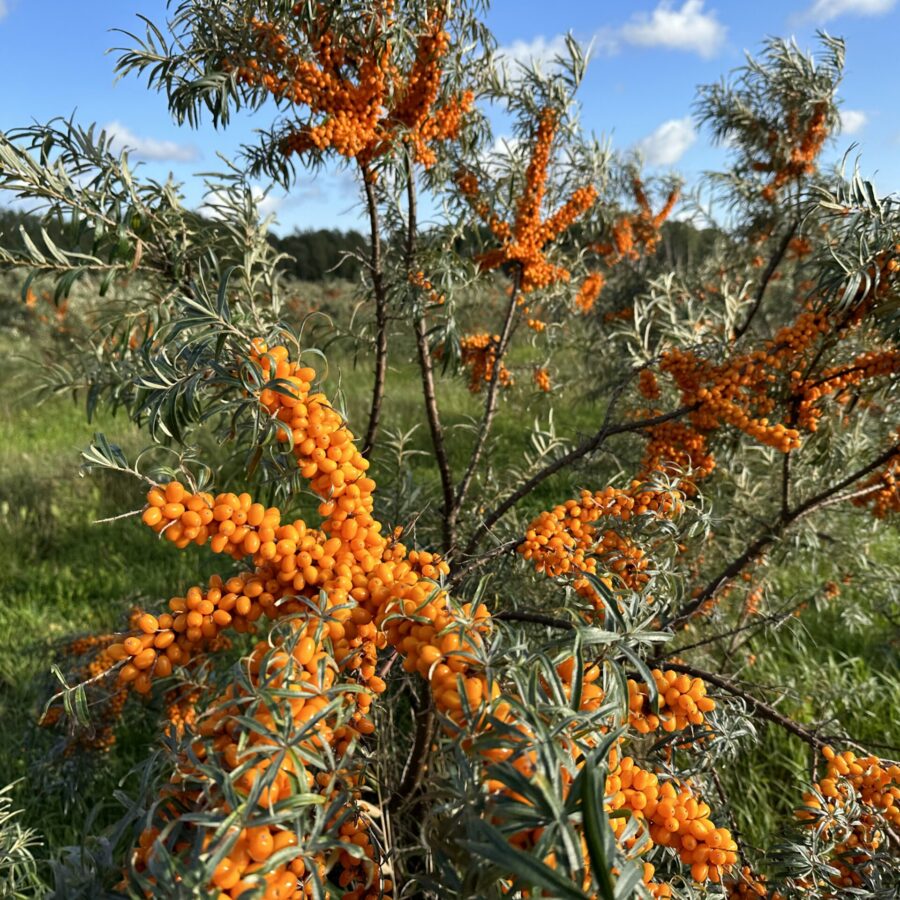
Young sea buckthorn shrubs, with their narrow grey-green leaves, can resemble willows. Older plants, with their twisted branches and slow growth may even remind some of olive trees.

Young sea buckthorn shrubs, with their narrow grey-green leaves, can resemble willows. Older plants, with their twisted branches and slow growth may even remind some of olive trees.
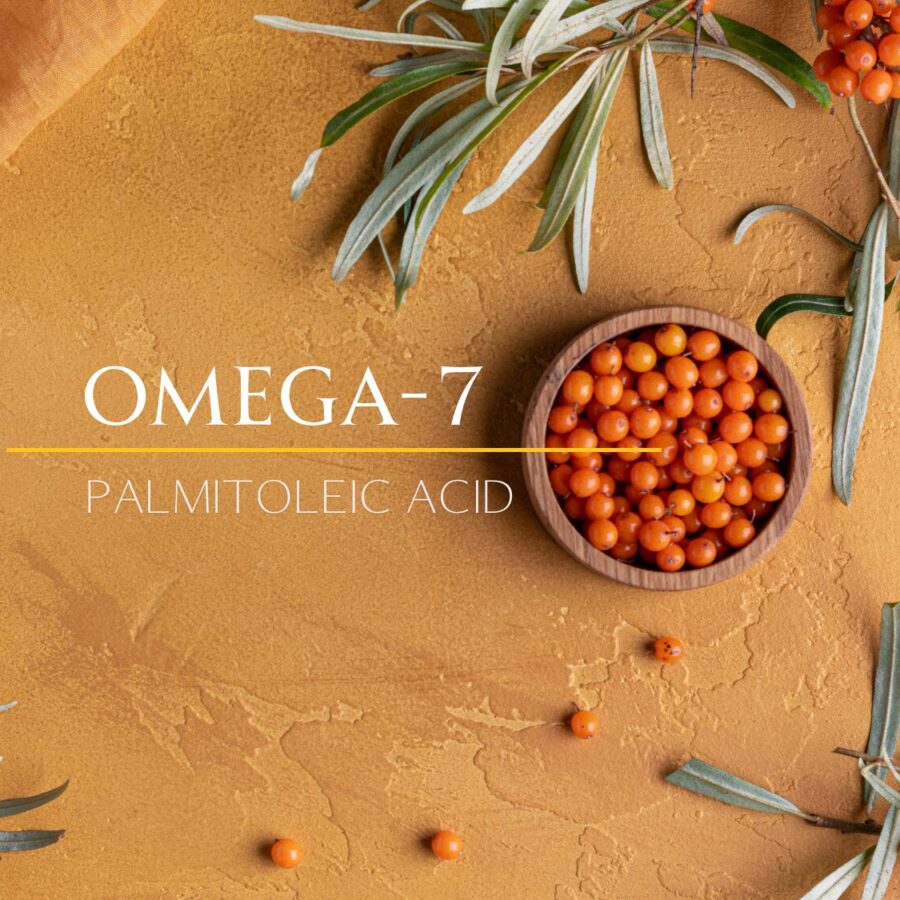
Omega-7 is a rare fatty acid in the plant world. Only a handful of species produce it in meaningful quantities. Sea buckthorn (Hippophae rhamnoides) is one of those exceptions: its berries contain a pulp oil in which palmitoleic acid forms a substantial share of the total fatty acid profile. This is not a nutritional coincidence but a chemical signature linked to how the plant has adapted to harsh...
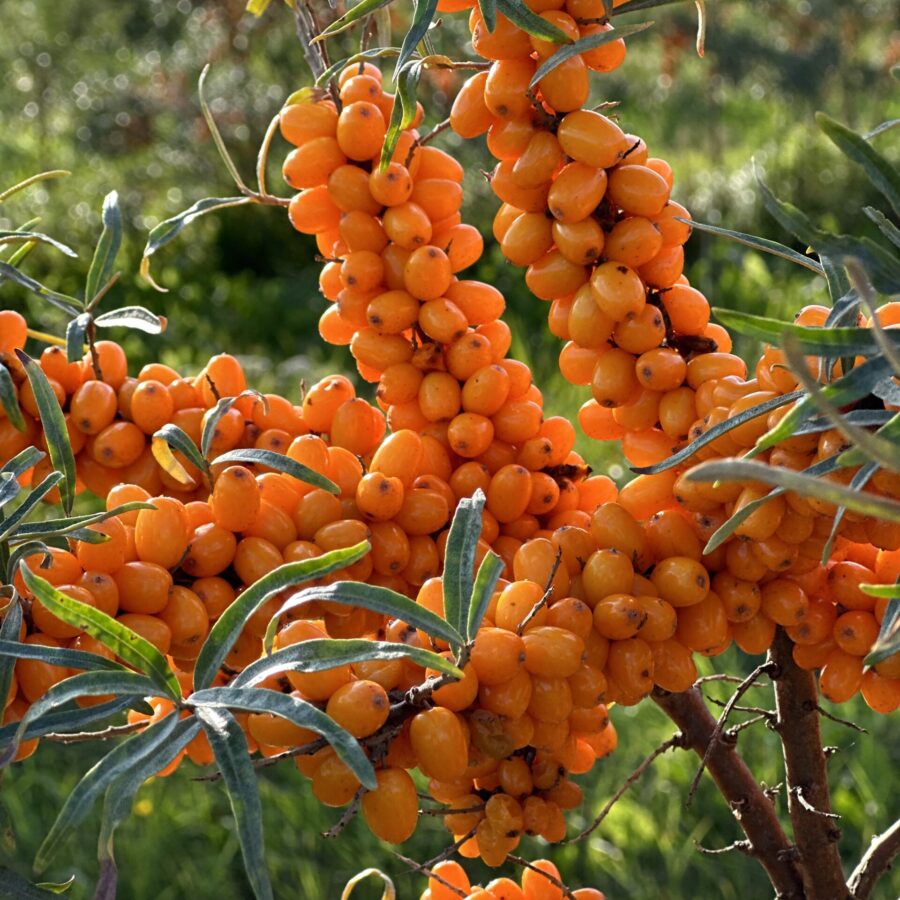
In this post, we take a closer look at how sea buckthorn berries develop and ripen, what changes they go through, and why understanding the full growth cycle matters both for growers and end consumers.
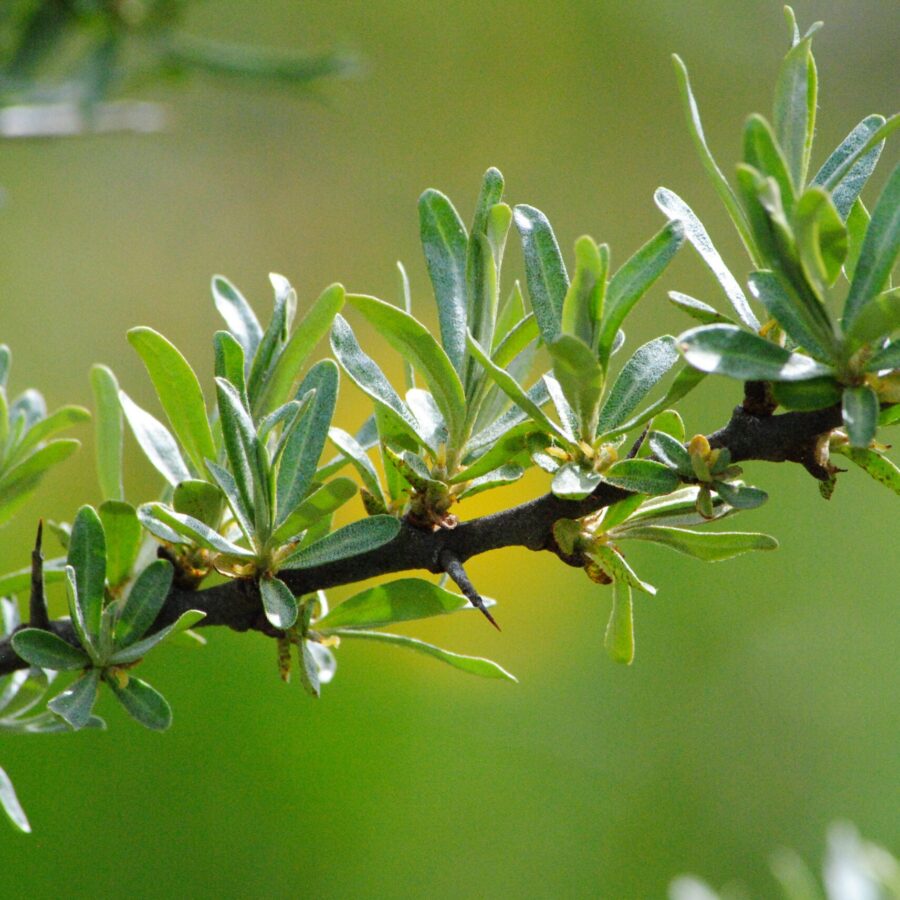
Sea buckthorn leaves deserve more attention. Packed with bioactive compounds, they offer immune and digestive support, and exhibit strong antioxidant effects. These versatile leaves can be used in teas, cosmetics, and as a supplement.
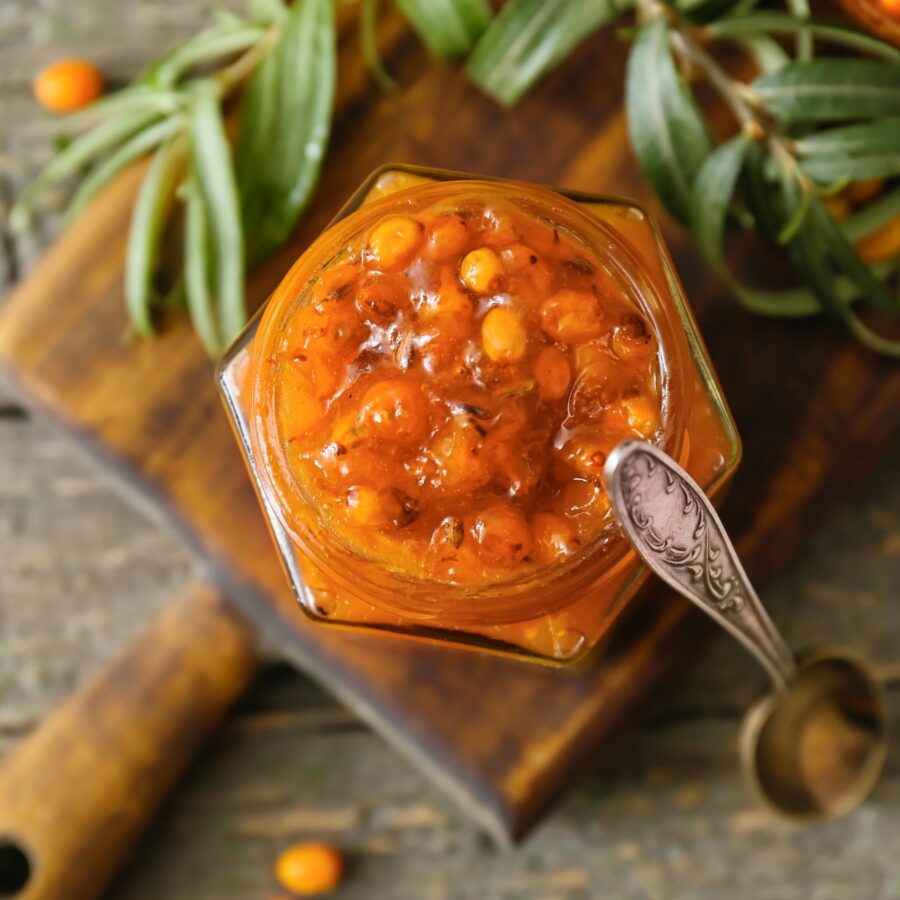
How excessive processing destroys the taste and nutritional value of this delicate berry.
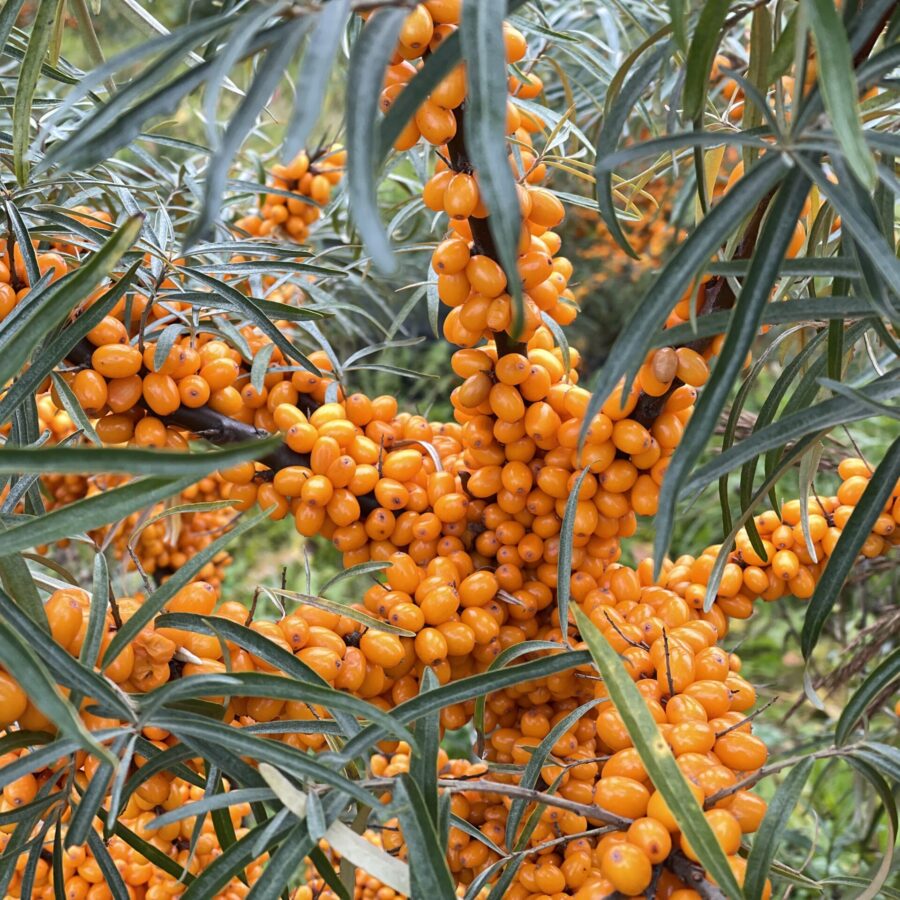
Sea buckthorn, also known as seaberry, is a nutrient-rich deciduous shrub with diverse applications that humans have utilized for centuries.